


search
date/time

Sat, 10:00AM
light rain
8.1°C
S 15mph
light rain
8.1°C
S 15mph
 | Sunrise | 6:55AM |
| Sunset | 4:54PM |  |

Andrew Palmer
Group Editor
P.ublished 24th October 2026
arts
Review
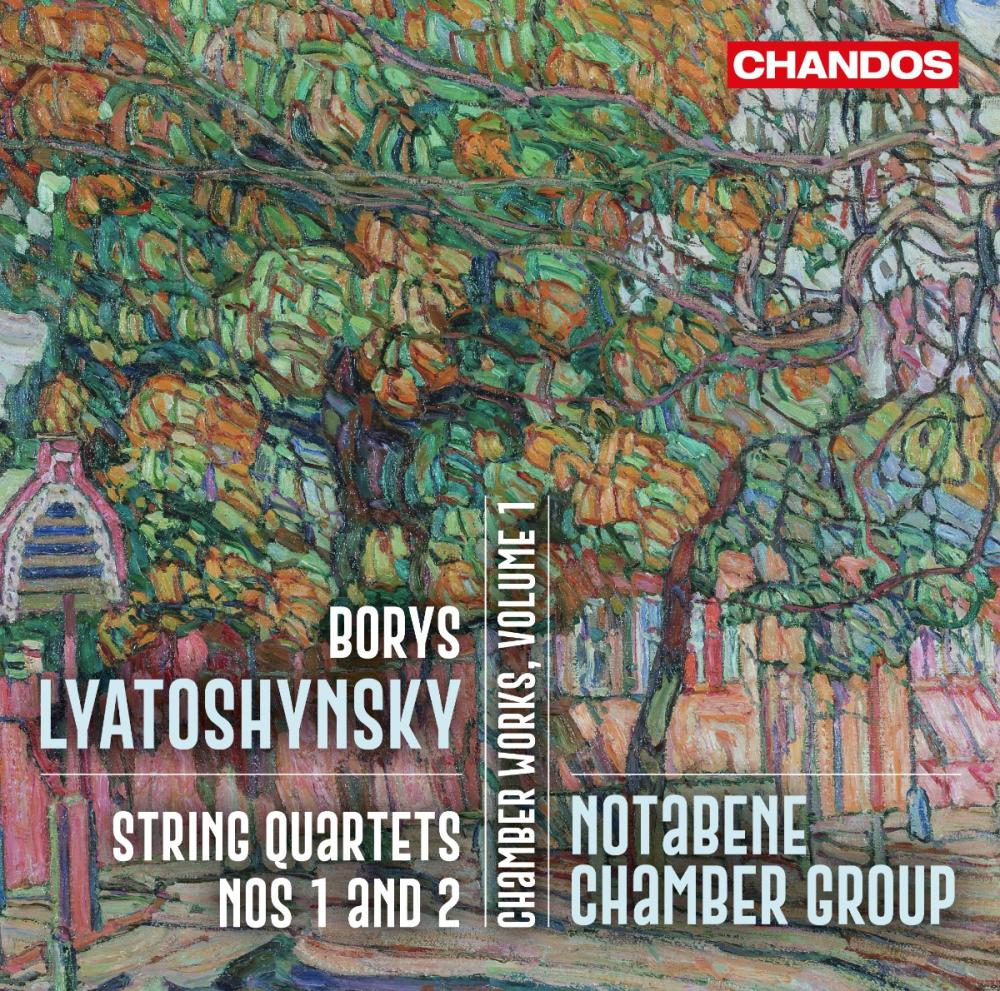
Classical Music: Lyatoshynsky: Chamber Works, Volume 1
A persuasive first step into a Ukrainian voice still too rarely heard
Boris Lyatoshynsky: String Quartet No. 1 in D minor, Op. 1; String Quartet No. 2 in A major, Op. 4
NotaBene Chamber Group
Andrii Pavlov violin, Maksym Grinchenko violin, Ihor Zavhorodnii viola, Artem Poludennyi cello.
Chandos CHAN 20475
chandos.net
His mature style marries late-romantic warmth with the bolder harmonic adventures of the modernists. He would later become a figure of real influence in Soviet musical life and a professor at the Kyiv Conservatoire, but these works catch him on the way up.
The First Quartet dates from his student years under Reinhold Glière, and the teacher’s fingerprints are all over its themes. The close of the second movement, however, is something else entirely: rendered with the utmost delicacy and beautifully controlled playing, it suggests a young man already listening for his own voice.
Only a few years later, with the Second Quartet of 1922, the voice had arrived. Folk melody from both sides of the Russian–Ukrainian border colours each work, yet neither strays from the familiar four-movement shape. It is the Second that delights most. Dr Iryna Tukova’s absorbing booklet notes draw out its fairy-tale imagery and nocturnal mystery, and she is a perceptive guide.
The Intermezzo has a lovely fluidity, like water rippling across a still pond, with a gentle rocking motion beneath. Then comes the haunting third movement, its melody set in 5/4 and driven at speed, with plenty of virtuosic dynamic contrast and syncopation to keep the players on their toes. They never sound anything other than at ease.
This is billed as Volume 1, which is the best news of all. On this evidence, the rest of the cycle cannot come soon enough.
Also by Andrew Palmer...
Classical Music: William Grant Still: Symphonies Nos. 2 & 4Classical Music: Gentle DarkClassical Music: SHINE Jess GillamClassical Music: Jeneba Kanneh-Mason: Songs Without WordsLeeds Song Festival Looks Inward For 2027 – And Finds A World Of MusicThe shortened address for this article is: newspub.uk/121fe