



search
date/time

Sat, 7:00AM
few clouds
10.3°C
W 4mph
few clouds
10.3°C
W 4mph
 | Sunrise | 6:16AM |
| Sunset | 5:43PM |  |

Andrew Palmer
Group Editor
P.ublished 2nd July 2026
arts
Curtain Up: Yorkshire Throws Open The Doors On Its Own Fringe
There's a particular kind of energy that comes from watching something be built in real time, scaffolding still showing, paint not quite dry — and that's exactly the energy radiating off the inaugural Yorkshire Fringe Festival, landing across the county from 11th to 19th July, with a launch night on 2nd July at Leeds Conservatoire to get things moving.
If you want the elevator pitch, here it is: roughly thirty shows, a clutch of venues stretching from York to Sheffield, theatre rubbing shoulders with comedy, music and spoken word, and not a penny of funding behind any of it. It's been built, as one of the eight committee members behind it puts it, entirely "off our own backs."
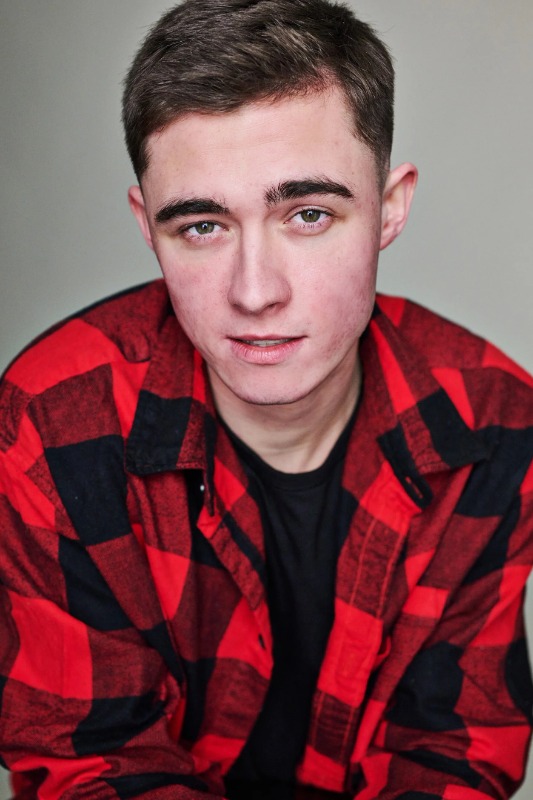
Tyler Pickles
The Gap Where a Fringe Should Be
Ask anyone in UK theatre to picture a fringe festival and they'll picture Edinburgh: the sheer scale of it, the queues, the flyers underfoot. It's a festival so dominant it's almost become shorthand for the word itself. And that, as Pickles sees it, is precisely the problem Yorkshire Fringe exists to solve.
"It makes it distinct from Edinburgh because it is truly northern," he told me. The arts in this country, he argues, still gravitate hard towards London, and when it comes to fringe theatre specifically, Edinburgh has hoovered up so much of the oxygen that Yorkshire — and the north more broadly — has been left in an odd kind of middle ground: too far from London to benefit from that gravity, too far from Edinburgh's spotlight to get noticed there either.
"We really want to make some noise in new work and really shed light on northern artists. That's exactly why it's important that we push and get more funding and more eyes on the northern arts scene."
It's a quietly political statement dressed up in very practical clothing: build the platform first, make the noise, and the funding conversation gets easier to have afterwards.
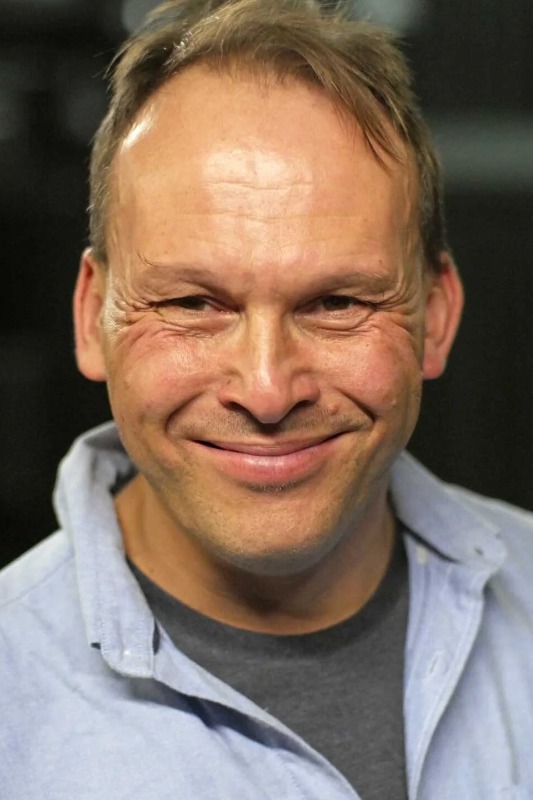
Jonathan Hall
Every fringe festival has an origin story, and Yorkshire Fringe's is reassuringly scrappy. It began with an email from Jonathan Hall — the writer fronting the festival publicly — sent out to creatives across the region with, essentially, one message: I think it's time. Come and have a chat about it.
"I didn't know Jonathan Hall before this," Pickles said. The meeting itself sounds like something between a creative summit and a school project: attendees split into small groups, sketched out mind maps, fed ideas back to the room.
"Very schoolesque, but it worked."
Out of that room, seven people stayed on to actually build the thing: Hall himself, Pickles, Stephen Brennan, Rachel Hodgson, Ingo Lyle-Goodwin, Lee Phillips, Roo Pilkington and Richard D Rhodes.
It's a committee with genuine fringe pedigree rather than enthusiastic amateurism. Brennan runs Leeds Pub Theatre. Pilkington runs Fight Like a Girl, known for its 24-hour plays and fringe fundraisers for cancer charities. Lyle-Goodwin directs locally; Rhodes has deep roots in Bradford's scene and Hodgson is the co-founder of SRM Theatre.
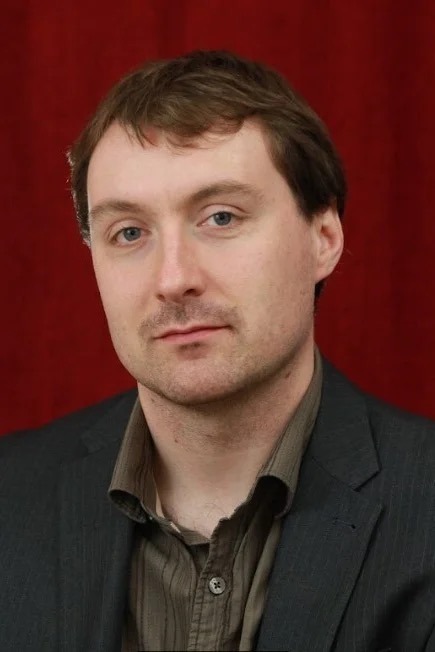
Steven Brennan
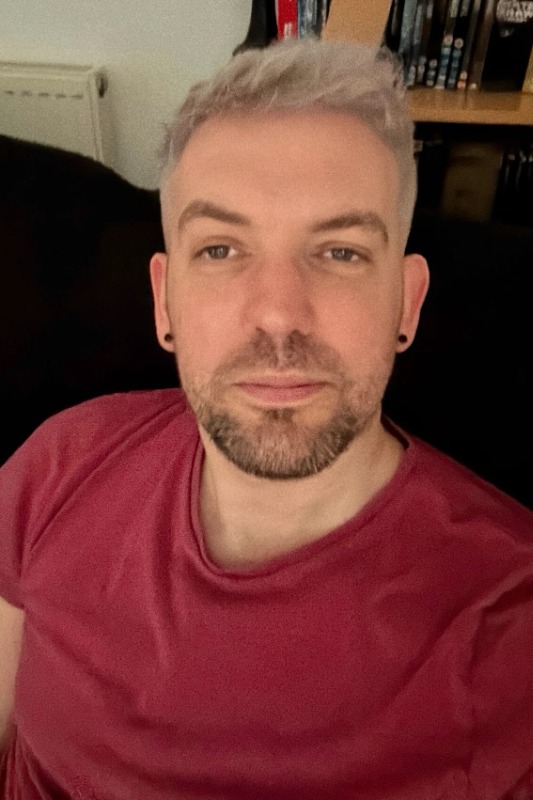
Roo Pilkington
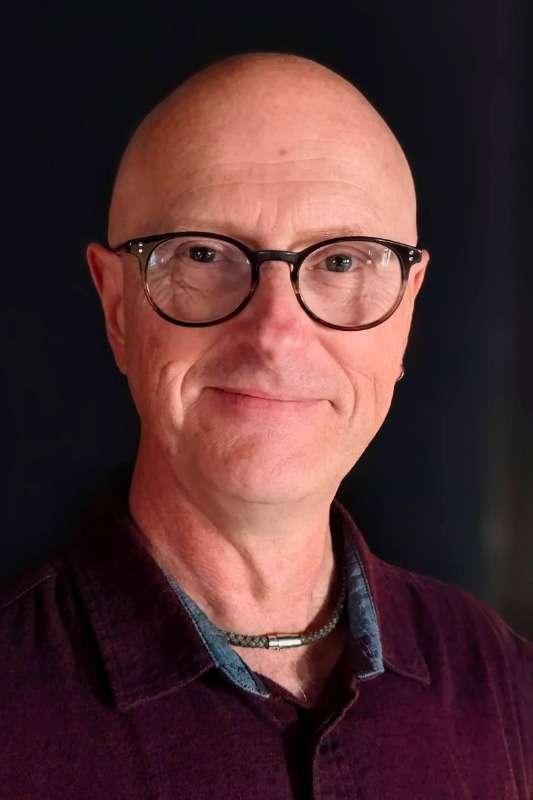
Lee Phillips
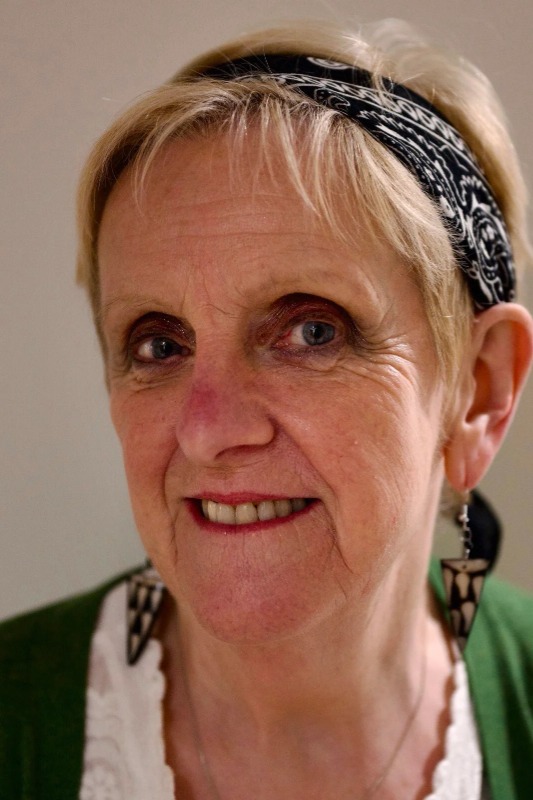
Rachel Hodgson
.jpg)
Richard D Rhodes
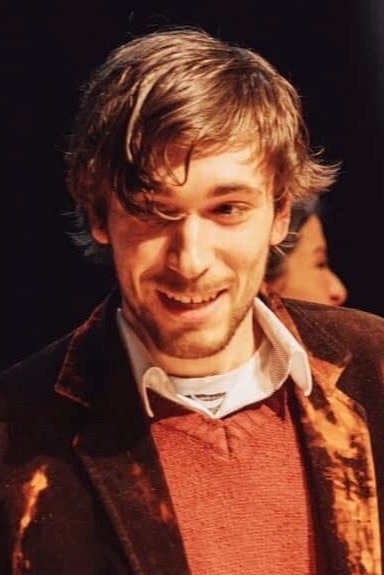
Ingo Lyle-Goodwin
Hall, alongside fronting the committee, writes for television, for the stage, and is currently working on a string of novels.
"In terms of a team putting together a fringe, we're very well equipped," Pickles said — and it's hard to argue.
No Safety Net, and That's Rather the Point
Here's where the romance of fringe theatre and the reality of running one collide head-on. Because Yorkshire Fringe, for this first outing, is operating as an unincorporated association — meaning the committee's role is deliberately limited. They aren't booking venues, producing shows, or selling tickets. What they're offering instead is a banner to gather under: publicity, social media support, festival branding, and a sense of collective momentum that no single show could generate alone.
"At the minute it's completely unfunded", Pickles confirmed, "and this is done off our own backs, voluntary, with the hope that in the future we can get this funded." The logic, as he frames it, is almost entrepreneurial: this year is the proof of concept.
I'd say this year is definitely a trial — it's just throwing things at the wall and seeing what sticks, and then hopefully we can come back as a committee and see what happens next year.
It's the fringe ethos in its purest form, really — make it happen first, ask permission later. Edinburgh's own fringe, after all, famously started with a handful of uninvited companies turning up alongside an official festival that hadn't asked for them. Yorkshire's version of that scrappy energy is baked in from day one.
Thirty Shows and Counting
For something built with no budget and no formal production support, the numbers are striking. The festival has pulled together close to thirty shows — and Pickles isn't shy about the comparison.
I think the Edinburgh Fringe only started out with like eight. So we're really happy with the buzz that's been created around it.
Crucially, it isn't confined to Leeds. Productions are popping up in Sheffield (including a show called Conflict of Interest), in York, and across a scattering of genuinely well-regarded fringe spaces: the Arts Barge in York, Ripon Arts Hub, the Lawrence Batley Theatre in Huddersfield, the Lantern Theatre in Sheffield, and WX in Wakefield. The model is refreshingly open — if you've got a show, a venue, and a Yorkshire postcode, you get in touch, and the festival does the shouting on your behalf.
The programme itself is doing exactly what a fringe should: throwing wildly different things into the same week and trusting the audience to find their way between them. Comedy in the Garden offers an all-ages, no-age-restriction comedy bill in a Bingley potting shed — three acts, a wedding singer, and a host, aimed squarely at babies through to OAPs. At the other end of the tonal spectrum sits Our Mandate, a show built from young writers and performers reflecting on growing up amid AI, climate anxiety, overseas conflict, and a hyperconnected world. Elsewhere, there's work tackling dementia. It's the kind of range that only a genuinely open-access fringe can produce — nobody curating it down to a single palatable theme.
Built for the Artists Who Haven't Had Their Turn Yet
While Yorkshire Fringe isn't formally an emerging-artists showcase, Pickles is clear that it tilts hard in that direction by design. Several participating companies work specifically with new and developing talent, platforming performers straight off scratch nights and giving stage time to writers who, as Pickles puts it, "won't have got a platform otherwise."
For Pickles personally, the ambition goes beyond ticket sales for July.
It's just to get more eyes on the Yorkshire creative scene, and hopefully it can build a proper community within the north.
He's candid about a problem anyone who follows Yorkshire's cultural geography will recognise: Bradford does its own thing, Leeds does its own thing, and the two rarely meet in the middle. Even Bradford's year as UK City of Culture in 2025, he notes, barely registered on the radar in Leeds. "We're still separate," he said — and the hope is that a shared festival banner, however loosely stitched together this year, starts to change that.
The Verdict, Before the Curtain's Even Up
What's striking about Yorkshire Fringe isn't polish — by design, there isn't much yet. It's the sheer will behind it: seven volunteers, a mailing list, a borrowed sense of fringe history, and thirty shows that simply decided to turn up. Whether 2027 brings funding, a formal structure, and Hall's fuller ambition for the festival remains to be seen. But as opening statements go, "we got to thirty shows when Edinburgh started with six" is a pretty good one.
Also by Andrew Palmer...
Classical Music: Ralph Vaughan Williams From Ursula, With LoveClassical Music: Requiem Da Camera, For St Cecilia & In Terra Pax Classical Music: Franck Quintet Enescu OctetClassical Music: Granville Bantock Orchestral WorksIlkley Literature Festival Opens With A Strong Yorkshire AccentThe shortened address for this article is: newspub.uk/1200j