



search
date/time

Sun, 1:00AM
scattered clouds
10.5°C
ENE 4mph
scattered clouds
10.5°C
ENE 4mph
 | Sunrise | 5:00AM |
| Sunset | 7:27PM |  |
P.ublished 22nd August 2026
nature
First Norfolk Hawker Dragonflies Sighted At RSPB Old Moor
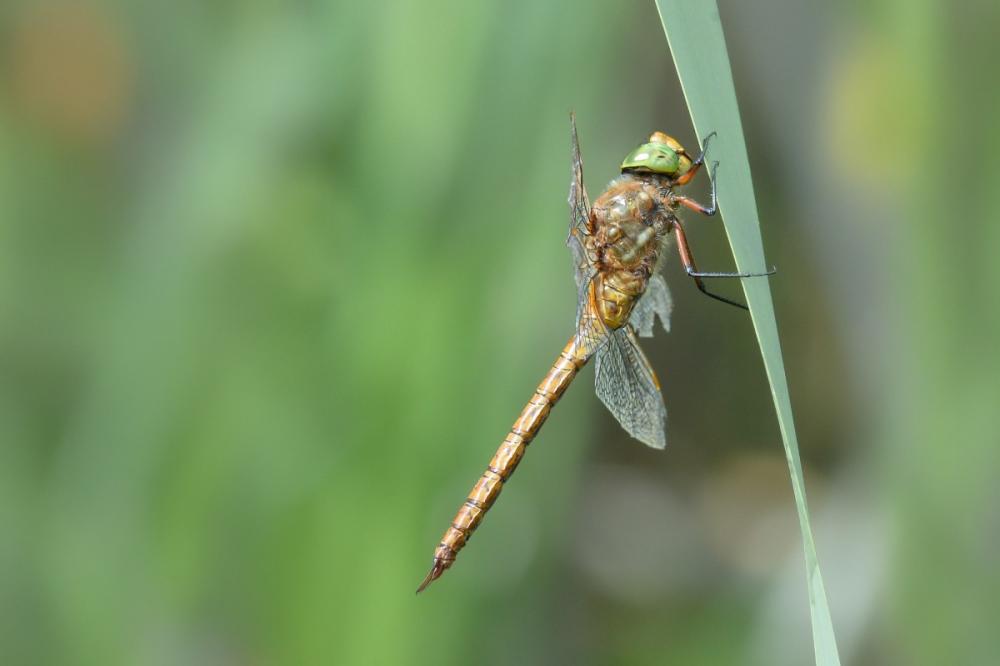
Norfolk Hawker (Isoaeschna isosceles) dragonfly at RSPB Old Moor
Photo: David Pritchard
This striking dragonfly has vivid green eyes and a warm brown body with a distinctive triangular yellow mark at the top of the abdomen. It is protected under the Wildlife and Countryside Act.
Since the first sighting at RSPB Old Moor by a visitor earlier this summer, excitement has been growing as to which new dragonfly species might be spotted at this family friendly nature reserve next.
The discovery comes during what is shaping up to be one of RSPB Old Moor's best years for dragonflies, with 24 of the UK's 58 dragonfly and damselfly species (around 30 species in Yorkshire) now recorded at the reserve – making it one of Yorkshire's top places to see these spectacular insects. There has been an increase in diversity at Old Moor over the years, and some are sadly in decline, but newcomers are arriving which conservation experts say is a clear indication of climate change.
The Norfolk Hawker was first recorded in South Yorkshire in 2023, with another sighting in South Yorkshire in 2024. Across Yorkshire as a whole, it was first recorded in 2011 but there were only 4 records up to 2019. From 2020 onwards the species has been recorded in 5 of the last six years across all Yorkshire counties. In total since 2020 over 20 individuals have now been seen in Yorkshire.
RSPB Old Moor's rich mix of reedbeds, open water, ponds, woodland and ditches provide ideal habitat for dragonflies, which spend much of their lives as aquatic insects before emerging as the aerial hunters seen darting across wetlands during the summer months. Dragonfly surveyor David Pritchard, who has been monitoring dragonflies at RSPB Old Moor since 2012 and is a volunteer with both the RSPB and the British Dragonfly Society, said, "They were so geographically isolated for so long that people would travel to Norfolk just to see one. Having a Norfolk Hawker turn up on your doorstep is a bit like finding a European bird like the strikingly colourful Hoopoe in your local park.
"It could also tell us something important about how these dragonflies are adapting. They were once thought to rely on a plant called Water Soldier for breeding, but for many years now, they have been appearing in places where that plant doesn't exist. Scientific research back in 2011 showed that the species actually prefers sites where the aquatic plant community is abundant and diverse."
Recent years have seen several southern dragonfly species expanding their range northwards, including the Hairy Dragonfly and Willow Emerald Damselfly, both now established breeders at Old Moor. Just a few miles from the reserve, the Barnsley area recently (30 July) also celebrated its first-ever record of a Southern Migrant Hawker, another species gradually moving north.
The growing diversity of dragonflies at Old Moor also reflects years of careful habitat creation and management. Healthy ponds, reedbeds and ditches with good water quality and suitable breeding habitat, has helped create ideal conditions for multiple species of dragonflies and many other wetland species to thrive.
Emma Tuckey, Manager at RSPB Old Moor, said: "Dragonflies are one of the real highlights of summer at Old Moor. Whether you're a keen wildlife watcher or simply enjoying a walk around the reserve, they're impossible not to notice as they flit across the wetlands in flashes of blue, green and gold.
"Recording our first-ever Norfolk Hawker this summer is a wonderful milestone and a real tribute to the work of our staff, volunteers and supporters over many years. Healthy wetlands benefit so much more than birds, and it's fantastic to see dragonflies responding so positively.
"As the UK continues to experience drier hotter summers, Yorkshire’s inland wetlands are an oasis for all kinds of species to thrive, without our reedbeds, ditches and ponds some of these dragonflies simply couldn’t survive.”
Although Old Moor is celebrating an excellent year for dragonflies, the RSPB warns that many insects across the UK continue to face significant pressures from habitat loss, pollution, pesticides and climate change. Restoring and protecting wetlands helps provide vital homes for dragonflies and countless other species.
Dr Pam Taylor, Trustee of the British Dragonfly Society, the UK’s leading charity dedicated to conserving dragonflies and the freshwater habitats they depend on, said:
“Recording the first ever sighting of the Norfolk Hawker at RSPB Old Moor is exciting with the very first reaching South Yorkshire in 2023. And more recently there has been a sighting in Northumberland, not far from the Scottish Border. Dragonflies are both fascinating and beautiful in equal measure and we’re urging as many people as possible to help record the dragonfly species they see using the iRecord app (irecord.org.uk).
“Some dragonfly species and insect populations more generally in the UK are in decline but once we know which species are out there and where, we can identify what they need and how we can help them to recover. Making sure we provide our dragonflies and other insects with inland wetland habitats that are resilient to drought, for example, is one way we can secure their future”.
July and August are the best months to see dragonflies at Old Moor, when species including Common Darters, Migrant Hawkers and Emperor Dragonflies can, in suitable weather, some species can be seen in their hundreds, particularly between late morning and mid-afternoon.
David added: “My favourite dragonfly is the Southern Migrant Hawker – a magnificent blue and yellow colour. It used to be confined to the Southeast of England in counties such as Essex and Kent, but they have been seen in Yorkshire at North Cave and RSPB Fairburn Ings in the past and have now been seen in Barnsley for the first time this summer.
For more information about visiting RSPB Old Moor, visit: rspb.org.uk/oldmoor
The shortened address for this article is: newspub.uk/120ot
Search Results