



search
date/time

Sat, 4:00PM
broken clouds
17.8°C
WSW 4mph
broken clouds
17.8°C
WSW 4mph
 | Sunrise | 4:47AM |
| Sunset | 7:30PM |  |
P.ublished 25th April 2026
lifestyle
How Much Is Your Clutter Costing You?
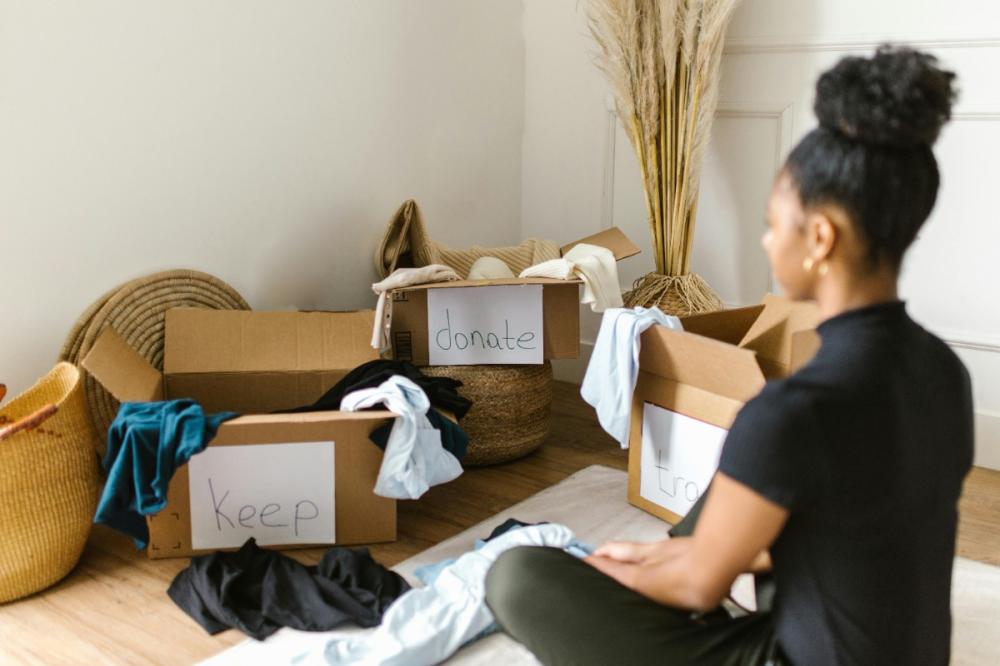
Image: Pexels RDNE Stock project
If you would like a decluttered home, you’re not alone. 42% of us would love to completely declutter, but feel it’s just not achievable. This sense of despondency makes sense when we take into account that 2-5% of the UK might actually have a hoarding disorder, a recognised mental health disorder.
Plus, almost 70% of Brits think of themselves as ‘digital hoarders’, accumulating clutter in the digital world as well as the physical one. But with so many of us hoarding so much stuff, what are the financial implications of this growing issue?
Here, the home organisational storage experts at The Sliding Door Wardrobe Company examine just how much all that clutter could be costing you and provide helpful tips about how to combat your clutter habit in an achievable way.
Discarded clutter
We’ve all got discarded clutter: those items we bought in good faith, but with no real chance of ever using them. The exercise bike that’s become a clothes horse, the high-tech blender you swore you would make kale smoothies with, the trending outfit you only wore once before it went out of style.
Encompassing expensive and (usually) larger items, discarded clutter is one of the worst kinds, draining both your storage space and your bank account.
High-tech blender: £65
Exercise bike: £120
Game console: £465
Robot hoover: £580
Designer coat: £1,770
Instead try…
The good news is that discarded clutter is often (almost) brand-new, meaning you can sell your unused items online, freeing up space in your home and earning money at the same time.
Designer clothes perform particularly well on pre-loved shopping platforms, like eBay and Vinted. In fact, eBay reported a huge amount of interest in designer items, with 2.6m listings for Louis Vuitton and 1.7m listings for both Gucci and Chanel.
Resale value is also rising when it comes to branded items, with Rodarte seeing an increase of 143% and luxury jewellery brand Van Cleef and Arpels rising by 90%.
Digital clutter
The clutter we can’t see is sometimes the worst kind. Digital clutter – in the form of multiple subscriptions for the same services, missed payment charges, and even forgotten subscriptions that are never used – can end up costing an arm and a leg.
We’ve all taken out a 12-month gym membership, only to stop visiting said gym in February, or signed up for yet another streaming service and forgotten to cancel it before the end of the free trial.
Uber One: £4.99 per month.
Prime Video subscription: £8.99 per month.
Spotify subscription: £11.99 per month.
Netflix subscription: £12.99 per month.
Gym membership: £48.45 per month.
Instead try…
Take back digital control by keeping a chart of all your current subscriptions, so you can keep on top of when and why money is leaving your bank account. Any that you find you haven’t used within the last three months, get rid! Just make sure there are no early cancellation fees.
You can also set an alarm on your phone to remind you of the last day to cancel free trials before you’re charged to make sure your digital clutter doesn’t re-accumulate over time.
Duplicate clutter
Another common type of clutter is that accumulated from duplicate purchases and lost items. Those things you forget you even own until you do a deep clean of your room.
Whether your favourite lip gloss has been lost to the growing pile of unidentified makeup or you’ve just realised that outfit you bought last week perfectly matches the one you bought last year, duplicate clutter eats away at storage space.
Remote controls: £10
Glasses: £15-170 (dependent on glasses type).
Keys: £160-£595 (dependent on car type).
It’s also easy to lose the below within growing mounds of clutter:
Makeup: £15 (example average price for lip gloss).
Accessories: £20 (example average price for winter hat).
Instead try…
If you’re prone to frequent duplicate purchases, try keeping a chart for a couple of months that charts all recent purchases of clothes, makeup and accessories. This will help you keep all your items front of mind when you’re shopping and stop you from buying the things you already have at home.
You could also have a big clear-out, making sure that everything has its own place. Order the inside of your wardrobe, so you can clearly see complete outfits. Give smaller items, like makeup, glasses or keys, their own specific ‘home’, so you’re never peering through piles of clutter for what you need.
The cost of clutter
Depending on how much of a clutter bug you are, your overall clutter cost could range from concerning to all-consuming! Check out how much you could save, based on our averages below:
Mini clutter bug (2 items in each category): £532.76 per year.
Middling clutter bug (4 items in each category): £2,487.52
Out-of-control clutter bug (5 items in each category): £4,858.92
If you’re a clutter obsessive, you could (in theory) save yourself almost £5,000 by curbing your habit!
So, which of these organisational tips will you try first in your own home? How much could you save simply by tackling your clutter habit?