



search
date/time

Sun, 10:00AM
overcast clouds
8.5°C
S 9mph
overcast clouds
8.5°C
S 9mph
 | Sunrise | 6:17AM |
| Sunset | 5:41PM |  |
Claire Kenny
Features Writer
@my40pluslife
P.ublished 1st August 2026
arts
“I’ve Had To Step Back From Social Media For My Mental Health"
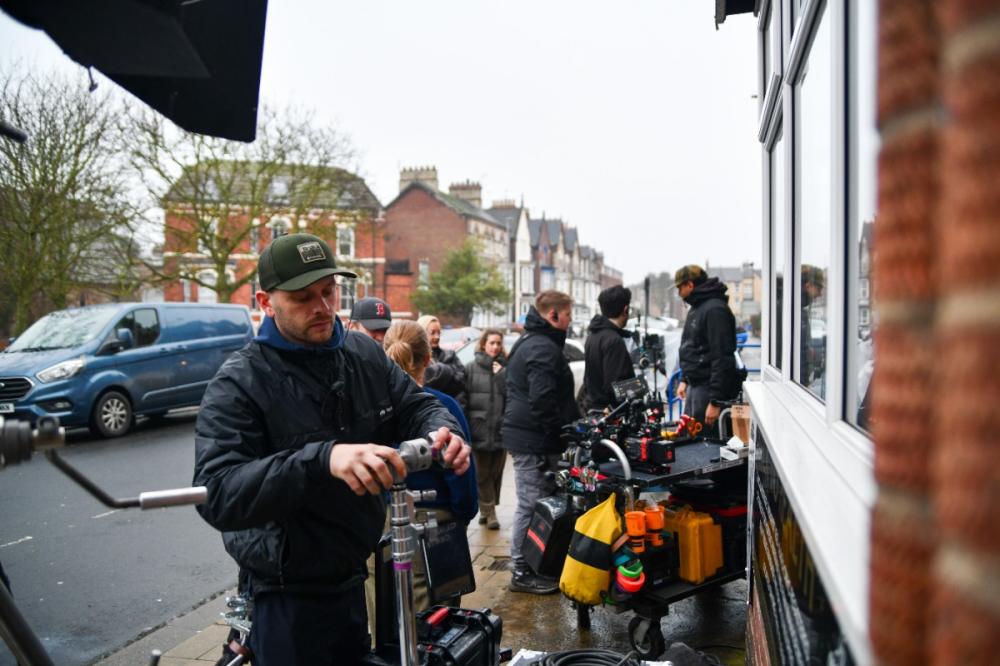
The Hot Flash Crew
Photo: Blue Sky Photography
Elios: The biggest difficulty I’ve faced as a trans actor is simply that there aren’t many trans roles. They’re not being written, and when they are, loads of us go up for them, so the chances are tiny. Without an agent or a first credit, breaking in is even harder.
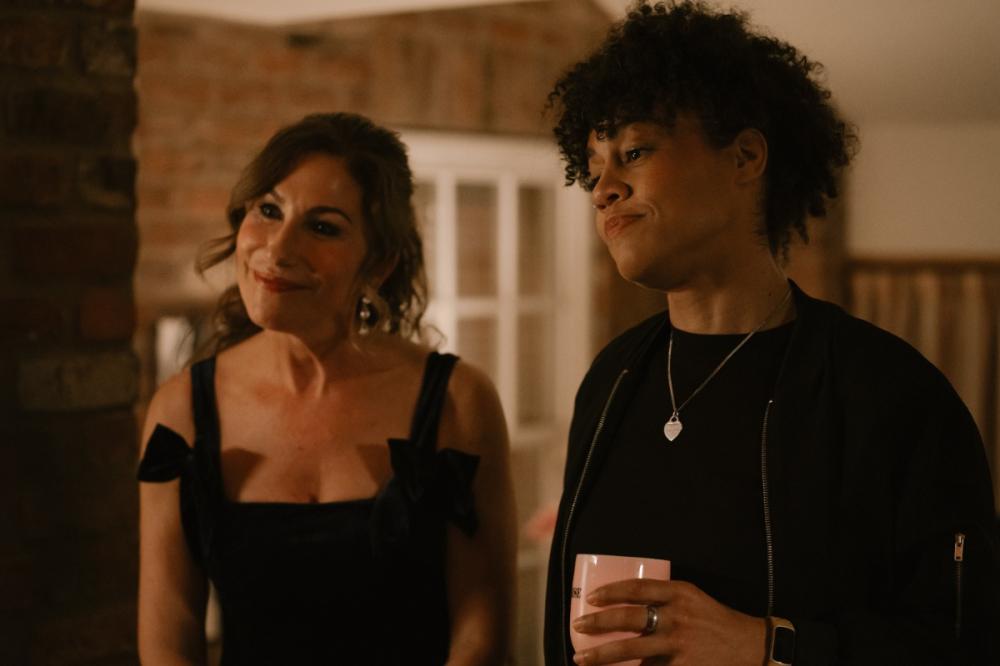
Roz with Gaynor Faye
Photo: Dan Ollerhead
Matt: I came from Married at First Sight, so my first experience in the public eye was reality TV. I’m proud that I represented the LGBTQ+ community in a positive light. I also run an LGBTQ+ charity called Out Together. But before all that, I went to drama school, and acting has always been the dream. Visibility is everything, and I’ve just secured a small role in Hot Flash as a bank manager, which I’m really grateful for.
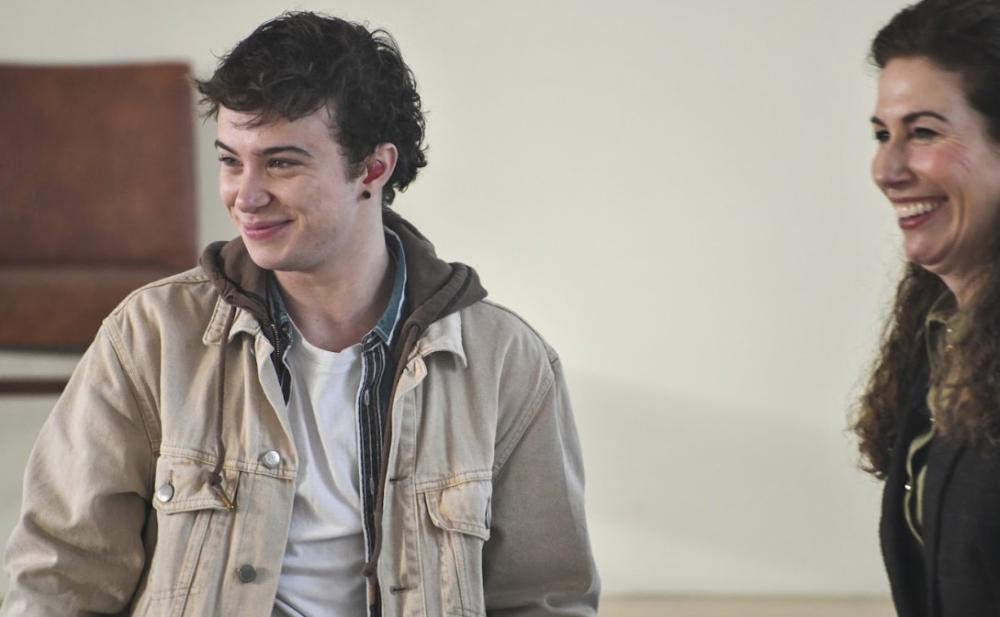
Elios with Gaynor Faye
Photo: Jessica Sansom Photography
Roz: Do you ever feel boxed in by how people see you?
Matt: Definitely. I think that there’s an added pressure for LGBTQ+ people to feel recognised within TV and film, but there’s also the possibility that people only see you as a gay man, and those are the only types of roles you’d be offered. My agent puts me forward for all sorts of roles, which is great, but I feel like stereotypes dominate when it comes to LGBTQ+ representation. Gay men are written as caricatures, and it’s frustrating. We need to show the full spectrum of who LGBTQ+ people actually are.
Roz: Exactly. When you see people being open and authentic, you think: “I can see myself in them." I didn’t have that growing up.
.jpg)
Matt with Gaynor Faye
Photo: Blue Sky Photography
Elios: Yeah. I’ve had to step back from social media for my mental health. There’s been a staggering rise in transphobia online, and I don’t want to subject myself to that. It’s not regulated, and it’s hard to protect yourself.
I’ve been fortunate that I haven’t been pigeonholed as a trans actor and am able to play both cis and trans roles. It’s the same with being deaf – most of the roles I’ve been cast in haven’t been based on my deafness; I just happen to be a deaf actor playing them. It normalises disability because it simply exists – that's how things should be done.
Matt: That’s what every actor wants — to be able to play any character, regardless of sexuality or identity. Jonathan Bailey is a great example – he plays gay roles and straight roles and gets opportunities across genres because of his skill, not because of how he identifies. That’s the goal.
Elios: I agree, but there’s still a long way to go. Funding’s a huge part of it – it's practically unheard of that a queer romcom would be granted the same budget as a straight romcom, even though the audience is there. I also feel I should say that trans women have a much harder time being cast in cis roles than trans men do, which is worth interrogating within the industry.
Roz: That’s why being seen and telling your truth matters. Whether it’s through a workshop, a film, reality TV, or a tiny role in a feature – every bit of visibility helps someone else.
Also by Claire Kenny...
Supporting A Local Homeless Charity During The Hottest Week Of The YearMy Visit To Women’s Whispers, A Local Grassroots Charity Helping Women In CrisisIf You're Trying To Build Your Personal Brand, You Should Be Proud, Not EmbarrassedCollaboration, Not CompetitionThe Power Of YesThe shortened address for this article is: newspub.uk/120cy