



search
date/time

Sun, 3:00PM
overcast clouds
7.6°C
ESE 2mph
overcast clouds
7.6°C
ESE 2mph
 | Sunrise | 7:58AM |
| Sunset | 4:50PM |  |
P.ublished 25th November 2025
nature
Lancashire Volunteers Protecting Rivers Through National Water Monitoring Project
Local volunteers celebrate as their citizen science data drives real change for rivers across the Ribble Catchment and beyond
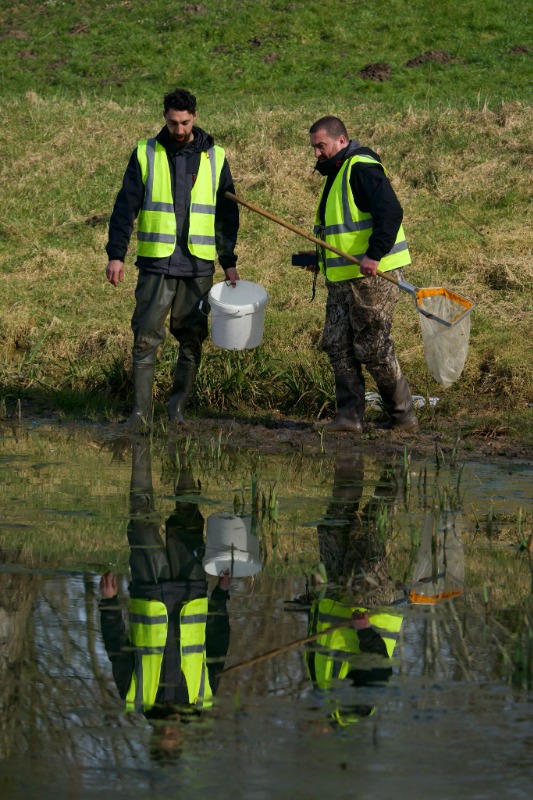
CaSTCo brings together more than 30 organisations across the UK to bridge the gap between citizen science and professional monitoring. As one of the project partners, Ribble Rivers Trust has focused on rivers within the Ribble Catchment, covering areas including the Ribble Valley, Hyndburn, Blackburn with Darwen, the Forest of Bowland, Burnley, Pendle, and West Lancashire. Thanks to the project, the Trust has explored new ways of gathering, analysing, and sharing data to make the experience more engaging for citizen scientists, and to ensure the information they collect has a real, lasting impact.
One of the most popular elements of the project has been the RiverBlitz events. Each of these one-day monitoring sessions see citizen science volunteers collect data on water quality, river habitats, and biodiversity across specific sub-catchments. Each RiverBlitz provides a detailed snapshot of river health, helping the Trust to identify problem areas and prioritise restoration work. Across the Ribble Catchment, RiverBlitz events have monitored several dozens of sites so far.
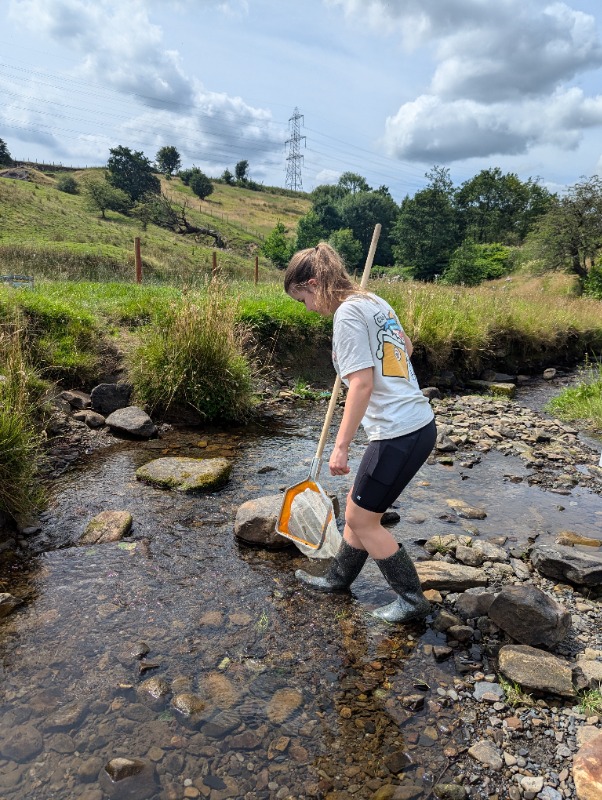
As Helen Dix from the Environment Agency explains: “The Citizen Science data collected through the Edisford Riverblitzes has been invaluable in helping target our own monitoring investigations and regulatory activities. It has helped pinpoint tributaries which are having most impact and enabled us to take targeted action much sooner and more confidently than we would otherwise have been able. I’m certain the collaborative approach taken here will result in better and faster action to improve the water quality at Edisford.”
And Louisa Simpson-Brown from United Utilities adds: “Our collaboration with Ribble Rivers Trust at Edisford Bridge has opened up exciting opportunities for further bathing water investigations. It’s also enabled us to access locations for water quality testing that would typically be out of reach for us as a water company. As a result, we now have a more robust and rounded dataset, helping us to better understand water quality challenges and make more informed decisions moving forward.”
This collaborative approach is at the heart of CaSTCo’s success. By bringing together local knowledge, scientific expertise, and shared data, Ribble Rivers Trust and its partners are creating a more coordinated, evidence-led approach that makes a lasting difference to local rivers.
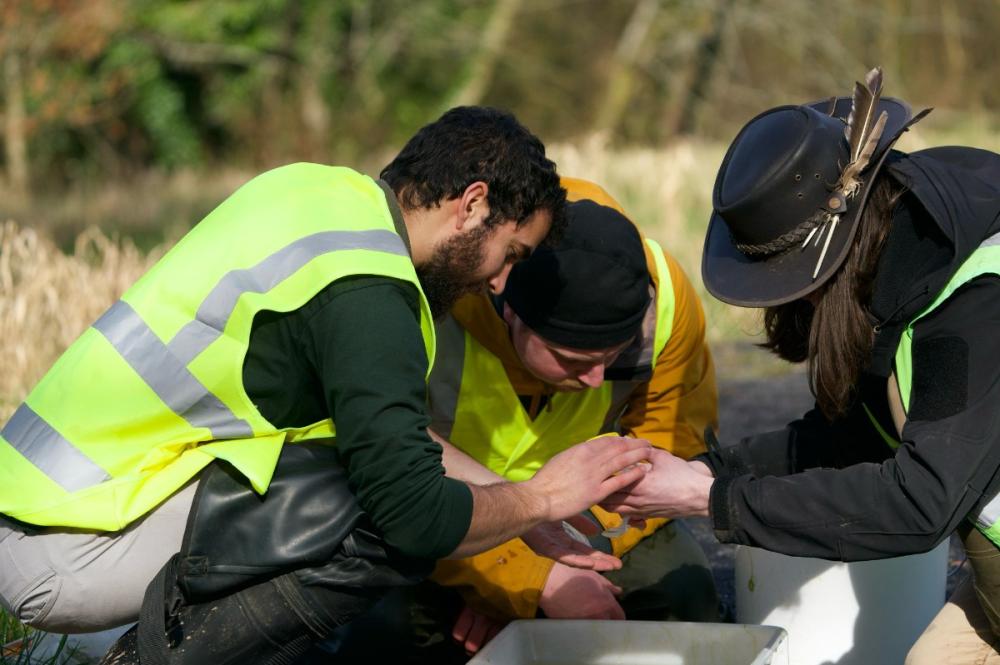
“Thanks to our incredible citizen scientists, we’re collecting data that genuinely drives change. The information gathered through CaSTCo is helping us, our partners, and local communities take informed action to protect rivers, ensuring cleaner, healthier waterways for wildlife and people.”
Although the CaSTCo project is now drawing to a close, its impact will continue to shape the Trust’s work for years to come. RiverBlitzes and citizen science monitoring are now being embedded into as many projects as possible. Going forward, the data that citizen science volunteers gather will continue to inform everything from farm advice, habitat restoration, and community engagement across the region.