



search
date/time

Sun, 10:00AM
overcast clouds
13.7°C
W 3mph
overcast clouds
13.7°C
W 3mph
 | Sunrise | 4:50AM |
| Sunset | 7:40PM |  |
P.ublished 1st July 2026
frontpage
Public Underestimate Daily Water Use By More Than 100 Litres, New Campaign Reveals
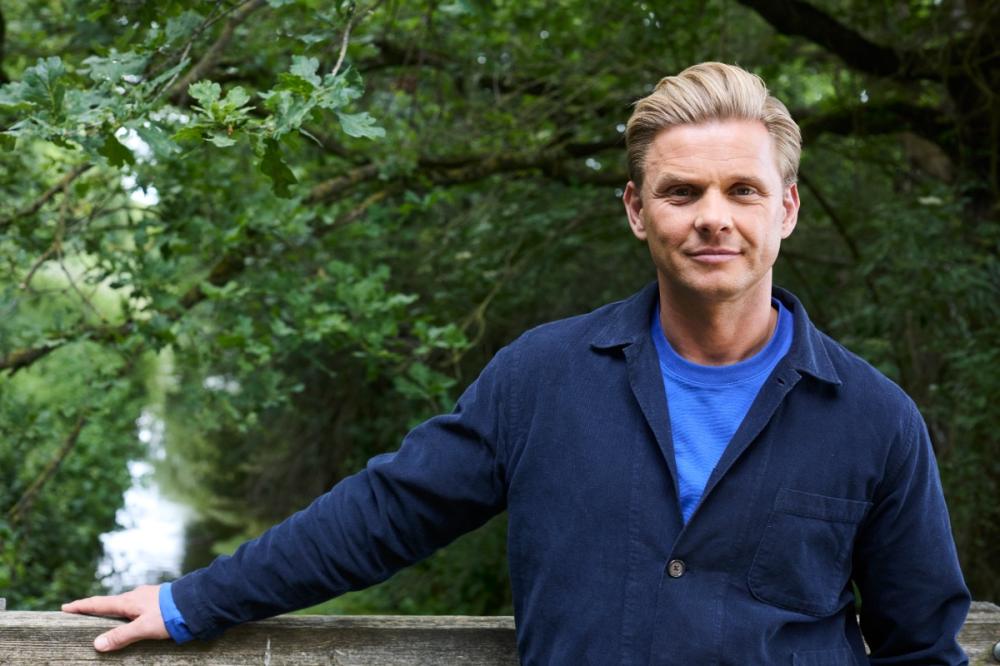
Let's Save Water Jeff Brazier
Photo: Venetia Dearden
The Let's Save Water initiative, unveiled today, brings together scientists, environmental experts and industry leaders who warn that climate change, population growth and rising demand are placing increasing strain on water resources. England faces a projected daily shortfall of five billion litres by 2055 — equivalent to 25 million people running the tap for 20 minutes — as supplies struggle to keep pace with need.
A YouGov survey of 3,121 adults across England and Wales, commissioned to mark the campaign's launch, exposed a striking gap between perception and reality. On average, respondents believed they used around 30 litres of water a day, when actual usage is closer to 140 litres — almost five times the assumed figure.
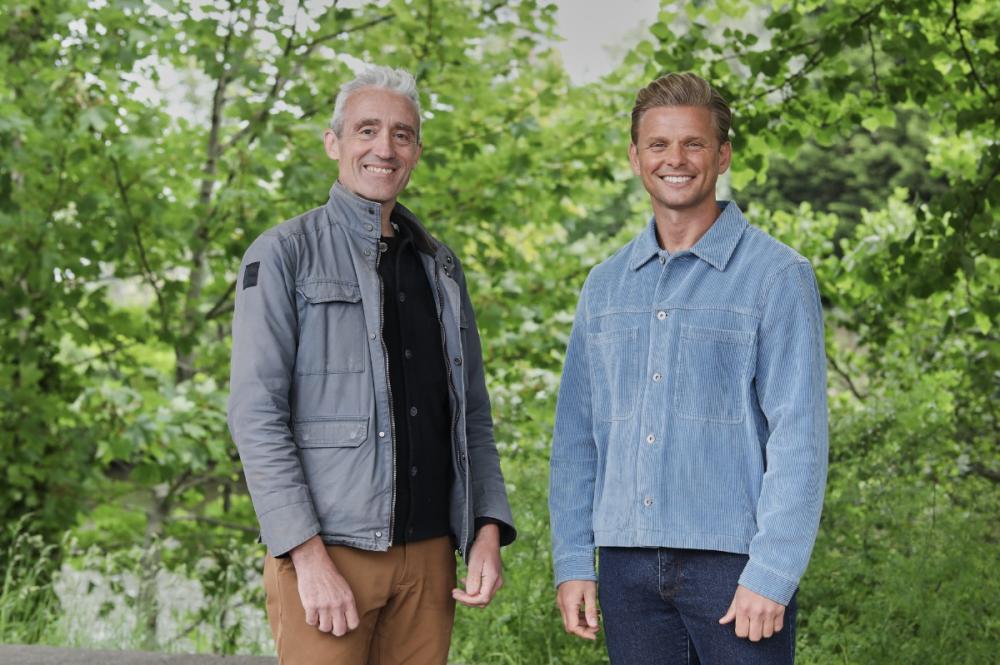
(L-R)Professor lan Walker & Jeff Brazier
Photo: Venetia Dearden
Despite the UK's reputation for rain, water availability is becoming markedly less predictable, with experts stressing that closing the gap is a shared, system-wide challenge rather than one for individuals alone.
Water Minister Emma Hardy said water was one of the country's most precious resources, with many parts of England consuming it faster than it can be naturally replenished. She pointed to lengthening, more frequent droughts driven by climate change and confirmed that the Government was backing the construction of nine new reservoirs, alongside encouraging simple behavioural changes from the public.
Jeff Brazier
running off rather than soaking into the soil where it is most valuable
— creating a growing imbalance that demands urgent action.
Chris Walters, Chief Executive at Ofwat, said investment in infrastructure and leak reduction was essential, but lasting resilience would also depend on the public changing its relationship with water and becoming stewards of the natural environment. The campaign, he said, was about helping people understand that water is finite and that valuing it more highly today would help secure supplies and protect the environment for the long term.
The launch is accompanied by a short film, Water: A Shared Challenge, presented by Jeff Brazier, who travels across England and Wales meeting experts including Professor Ian Walker of Swansea University on public attitudes to water use, and, in Yorkshire, Clare Cashon of the Yorkshire Wildlife Trust, who highlights the impact of water shortages on local habitats and wildlife.
Brazier said making the film had changed how he thought about water, admitting he had always assumed it would simply be there when needed. What had struck him most, he said, was that scarcity was not just about less water from the tap, but about its impact on rivers, wildlife, communities and the country's future resilience — though the everyday choices people make could still make a real difference.
The shortened address for this article is: newspub.uk/1200h
Search Results