



search
date/time

Fri, 10:00PM
light rain
18.5°C
SSW 9mph
light rain
18.5°C
SSW 9mph
 | Sunrise | 3:37AM |
| Sunset | 8:47PM |  |
P.ublished 19th June 2026
frontpage
Rail Passengers Rate Their Journeys In Biggest Ever Rail Satisfaction Survey
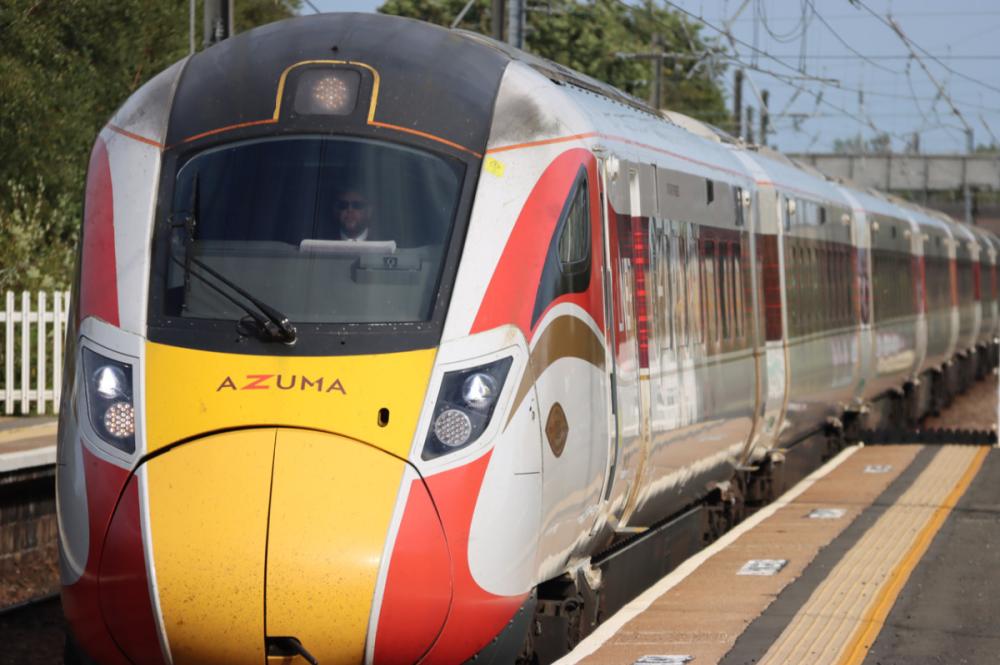
Photo: ©Steve Hare
The publication of the biggest passenger satisfaction survey in the history of Britain’s railway, captures the feedback of more than 100,000 passengers. This Official Statistic (in Development) results report covers the first six months data (October 2025 to March 2026) with the survey running continuously throughout the year and around ten thousand passengers a month asked for their views across Great Britain’s rail network.
Hull Trains passengers are the most satisfied with their journey at 94 per cent satisfaction, closely followed by LNER with 93 per cent and three more with 92 per cent satisfaction (Merseyrail, Heathrow Express and ScotRail).
The lowest ratings for overall passenger satisfaction were given to long-distance train operator CrossCountry with 79 per cent of passengers satisfied with their journey. Only 77 per cent of CrossCountry passengers were satisfied with the punctuality and reliability of their journey, while 46 per cent said they were satisfied with how the train operator had dealt with delays.
The watchdog has asked CrossCountry to deliver improvements in the passenger experience, reduce delays, improve passenger information during disruption and address overcrowding on services. Passengers have faced significant delays, disruption and overcrowded services. From January to March, 71.9 per cent of recorded station stops were arriving on time (arrived early or less than three minutes after the scheduled time). In the same months, cancellations were at seven per cent.
These results show that it’s possible for the railway to get it right, but that this isn’t happening consistently enough. The gap between the worst- and best-performing operators is striking, and it also shows that disabled passengers are experiencing a worse service than everyone else.
What stands out is how much difference handling delays well can make. More than nine in ten people will report a positive experience if a delay is handled well - a remarkably high figure given their train is late - but this falls to one in four when it isn’t. Fixing this is well within the railway’s control and should be a priority, particularly when we know passenger trust in the railway is low.
This is the first report of its kind. I’m optimistic the railway understands the importance of using it to create a more customer-focused culture, and we’ll be holding them to account to make sure they do.
Nationally only 59 per cent of passengers are satisfied their ticket offers value for money, and less than half of commuters (49 per cent) are satisfied. Lumo passengers were most satisfied with value for money (75 per cent), while just 49 per cent of Great Northern passengers were satisfied with the value of their ticket.
The results highlight areas where passengers want to see improvements. More than nine in ten people (92 per cent) will report a positive experience if a delay is handled well, but this falls to one in four (26 per cent) when it isn’t. Information being clear, concise and consistent plays a key part in a passenger’s experience during disruption and needs further improvement. Later this year the watchdog will host a summit with senior industry leaders to discuss areas for improvement and share best practice.
When it comes to passenger satisfaction, the best-performing part of the railway in Great Britain is Scotland at 91 per cent, just ahead of Wales at 89 per cent and England at 87 per cent.
85 per cent of passengers were satisfied with the punctuality of their journey. The latest quarterly figures, for January to March, show 86.4 percent of trains arrived on time (arrived within three minutes of their scheduled station stop), while 3.2 percent were cancelled.
Overall 78 per cent of passengers were satisfied with the level of crowding on the train (ranging from 63 per cent on CrossCountry to 89 per cent on Heathrow Express). 79 per cent of passengers said they were satisfied with cleanliness inside the train; LNER passengers were most satisfied (91 per cent) and Thameslink least satisfied (70 per cent).
Disabled passengers reported lower overall satisfaction than non-disabled passengers (85 per cent compared to 88 per cent), underscoring the need for targeted improvements to accessibility and passenger assistance. Disabled passengers were less satisfied with station toilets, seating within stations and the ease of access and moving around the station.
The survey runs continuously throughout the year, meaning passenger views will directly inform train operator decisions in real-time to improve the day-to-day service and inform industry decision-making for the improvement of rail services in the long term. Results will be published every six months, with the next Official Statistics report due in December 2026, allowing the industry to track trends over time and spot the impact of changes made as it moves towards Great British Railways.
The survey follows new research from Transport Focus to understand what matters most to passengers. Passengers’ top priority remains a reliable railway, with trains running on time and not being cancelled. Personal safety and security have increased in importance, ranking in second and third place as priorities for passengers. We expect these priorities to inform Great British Railways’s Integrated Business Plan, its customer strategy and accessibility strategy – as well those in Scotland, Wales and elsewhere that rail services are devolved.
A part of the creation of Great British Railways, the watchdog will gain new powers to investigate poor service, demand improvements, set new standards and increase focus on accessibility, making sure everyone can travel confidently and with dignity. Transport Focus will use the RCXS to help drive improvements where it matters most to passengers.
| Rank | Train operator | Score |
| 1. | Hull Trains | 94% |
| 2. | LNER | 93% |
| 3. | Merseyrail | 92% |
| 4. | Heathrow Express | 92% |
| 5. | ScotRail | 92% |
| 6. | Elizabeth Line | 90% |
| 7. | Transport for Wales | 90% |
| 8. | Stansted Express | 90% |
| 9. | Lumo | 90% |
| 10. | Gatwick Express | 89% |
| 11. | London Overground | 89% |
| 12. | Greater Anglia | 88% |
| 13. | West Midlands Railway | 87% |
| 14. | Grand Central | 87% |
| 15. | Northern | 87% |
| 16. | Southeastern | 87% |
| 17. | TransPennine Express | 87% |
| 18. | Southern | 86% |
| 19. | Great Western Railway | 86% |
| 20. | Avanti West Coast | 86% |
| 21. | Great Northern | 86% |
| 22. | London Northwestern Railway | 86% |
| 23. | c2c | 85% |
| 24. | South Western Railway | 85% |
| 25. | Thameslink | 83% |
| 26. | Chiltern Railways | 83% |
| 27. | East Midlands Railway | 82% |
| 28. | Cross Country | 79% |