



search
date/time

Thu, 1:00PM
light rain
11.4°C
7mph
light rain
11.4°C
7mph
 | Sunrise | 4:09AM |
| Sunset | 8:05PM |  |
P.ublished 13th May 2026
frontpage
Reactions To The King's Speech
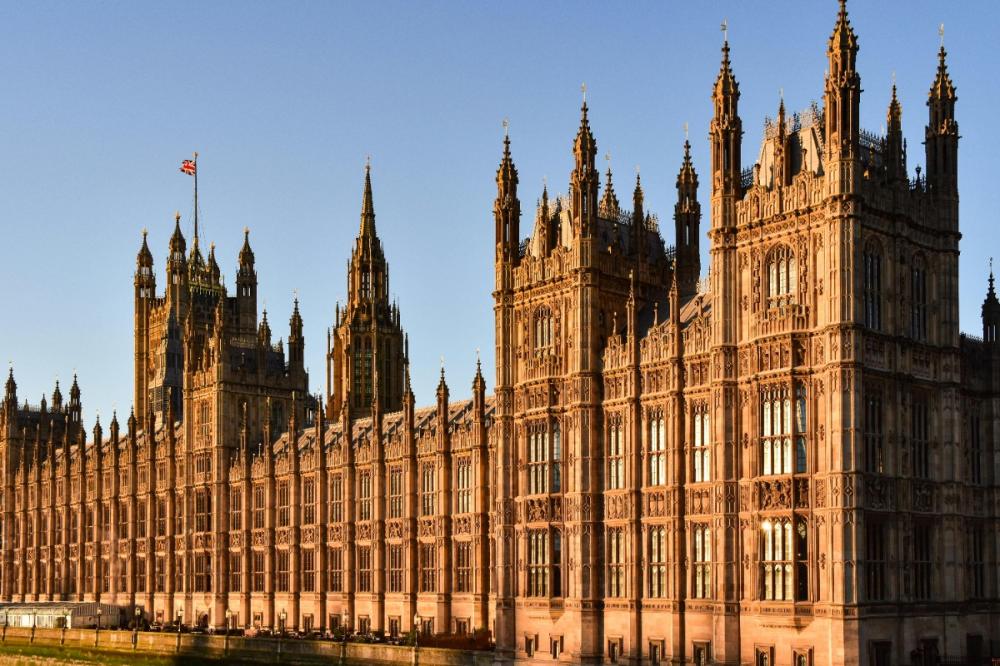
Photo: AXP Photography on Pexels
Independent Age Chief Executive Joanna Elson, CBE said:
“The King’s Speech did not go far enough in addressing pensioner poverty. We welcome the UK Government’s ambition to tackle the high cost of living and improve living standards, but the legislative agenda needs to meaningfully support older people on low incomes.
“Today’s announcement left a glaring hole in the Water Bill, with no mention of a national social tariff for water in England and Wales which our research has shown would lift hundreds of thousands of older people out of water poverty.
“Energy support measures are welcome and we urge the UK Government to go further by enhancing the Warm Home Discount and introducing a more comprehensive energy social tariff to provide long-term protection against rising energy costs. This is extremely important in an increasingly volatile world.
“The income of the older people we support is often dangerously low and does not even cover the basic necessities of life. People tell us they are washing less, having just one small meal a day and not socialising as they cannot afford a cup of coffee. With 1.7 million older people living in poverty, the time for action is now.”
In response to the King’s announcement that ministers will proceed with plans to push forward the introduction of Digital ID to modernise how citizens interact with public services, Phil Cotter, CEO of SmartSearch, welcomed the move, saying Digital ID could be transformative for the UK - but only if it is implemented correctly:
“
“Digital ID could be transformative for the UK, making it easier to apply for a mortgage, open a bank account or access benefits securely, while reducing fraud and improving efficiency. Done right, this isn't just about regulatory compliance but commercial advantage. Businesses that can verify customers faster and more securely will win more business, and Digital ID has the potential to level the playing field across sectors.
"But this is only true if it is done well. With 24% of compliance professionals citing AI deepfakes as their biggest fraud risk, robust identity verification has never been more critical. Trust is hard-won and easily lost. Our research found that 87% of businesses would sever ties with a partner after a single compliance breach, demonstrating just how much is at stake. The public must know their data is used only for its intended purpose, held for the minimum time necessary, and subject to independent oversight. Success depends on strong safeguards, transparency and individual control. Convenience must never come at the expense of trust."
“
Political drama at the top of government has profound consequences for those who must adapt to the decisions that are made. This King's Speech contains reforms across many areas of policy that impact local government, and the difficult job of working with proposed new legislation is made even harder when we have no guarantee that any of it will actually come to pass.
But if we do make the effort to read this speech purely through the lens of local government, it’s hard not to feel somewhat underwhelmed. Some of the measures outlined will be welcome. But it is a problem of proportion, priorities and underlying philosophy.
The headline fiscal devolution offer is the overnight visitor levy. At LGIU, we have long argued that power should be local by default, regional where it adds value and national only where necessary, and fiscal devolution is a key element of growth. A visitor levy is all well and good – though we would argue that it should sit at the local authority level – but it’s hardly a devolution revolution. We view this as more of a baby step than a bold stride.
We’re also missing some reforms we’d hoped to see. In an increasingly fractious and polarised political landscape, reforms to the local government standards regime feel urgent and important, yet did not feature in the speech, despite being widely expected.
There are measures that affect local government scattered throughout – on housing, health and policing. But overall, what’s missing in this programme is a coherent vision of what local government is for.
Are councils democratic agents – shaping place, taking long-term responsibility for community wellbeing? Or are they delivery arms of the central state? That question remains – as it has throughout this government’s tenure – unresolved.
Given the stakes for the government, the challenging times for the country and the level of change going on in councils, it is a missed opportunity.”