



search
date/time

Wed, 10:00PM
light rain
14.8°C
S 12mph
light rain
14.8°C
S 12mph
 | Sunrise | 3:42AM |
| Sunset | 8:47PM |  |

Helen Kitchen
Deputy Business Editor
P.ublished 1st July 2026
business
Steel Tariffs Threaten Northern Manufacturing Supply Chains
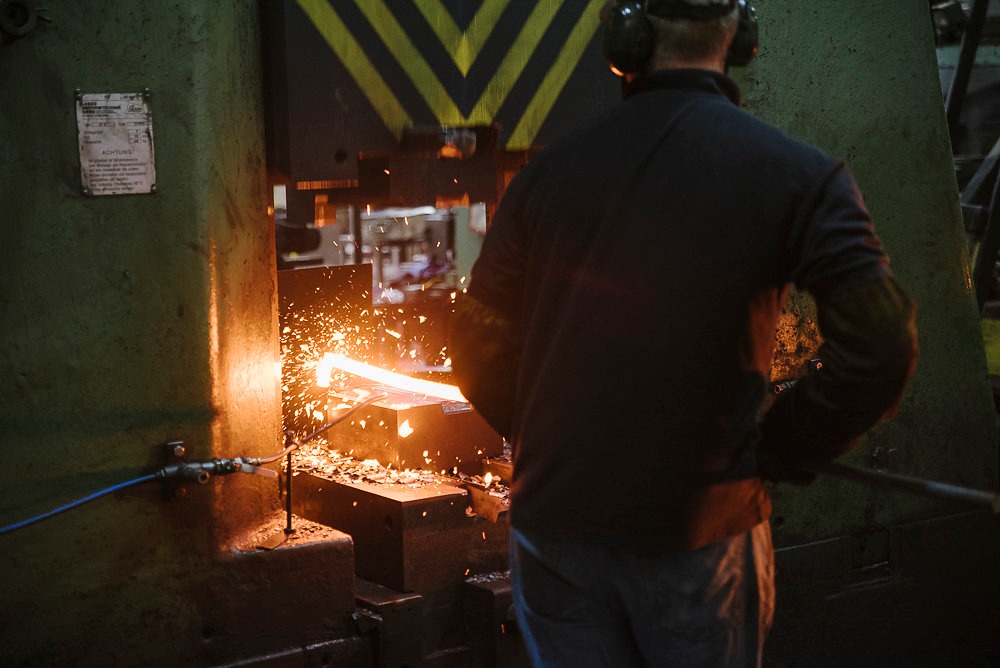
Footprint, one of the UK's oldest hand tool manufacturers
The new trade safeguards, which match similar restrictions introduced simultaneously by the European Union, reduce the volume of tariff-free steel allowed into the UK by an average of 51 per cent. Imports exceeding these quarterly quotas will face a 50 per cent penalty, though ministers have introduced exemptions for 11 specific categories of steel where no domestic supply exists. Although the government softened its initial proposal of a 60 per cent quota reduction following intense industry lobbying, engineering and manufacturing firms warn the compromise remains a severe blow to operational reality.
A primary concern for regional manufacturers is what trade bodies describe as a structural anomaly in the trade safeguards, dubbed the "fabricated steel loophole" by downstream buyers. Under current guidelines, raw steel is subject to the strict new tariffs, but finished or partially fabricated steel components entering the UK sit entirely outside the safeguard regime.
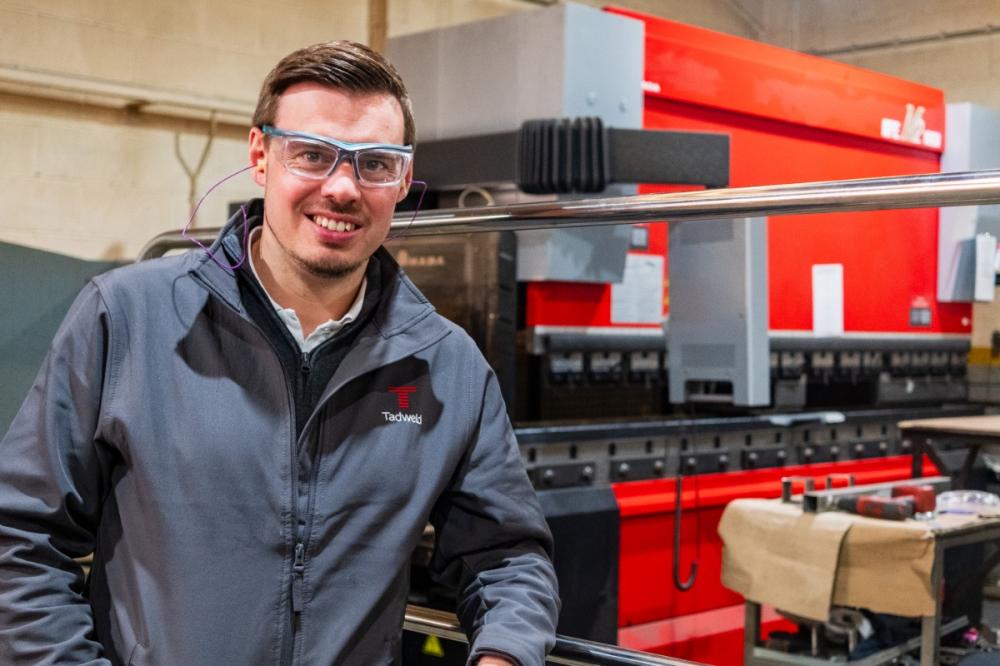
Chris Houston, Managing Director at Tadweld
"Unless ministers address how fabricated steel products are treated, UK manufacturers will continue competing against imported finished products that sit outside the spirit of the safeguards."
According to market forecasts highlighted by Tadweld, the policy risks making the UK the most expensive structural steel market in Europe by 2027. Domestic hot-rolled structural steel sections could rise from approximately €780 per tonne to more than €1,000 per tonne once the 50 per cent tariffs and upcoming carbon border taxes are factored into commercial pricing.
Mr Houston added: "There's a misconception that tariffs automatically protect British steelwork manufacturers. In reality, if imported steel has been fabricated before it reaches the UK, many of those protections simply don't apply. It creates a scenario where manufacturing in Europe has been given a competitive advantage by a UK policy that is designed to help UK industry.
"As an industry we’ve been shouting about this, with some estimates suggesting up to 30,000 jobs are being placed at risk, but the government has gone ahead anyway. It’s really quite frustrating, especially when other governments like Canada have recognised this risk and adjusted their policy to protect steel fabricators as well as manufacturers."
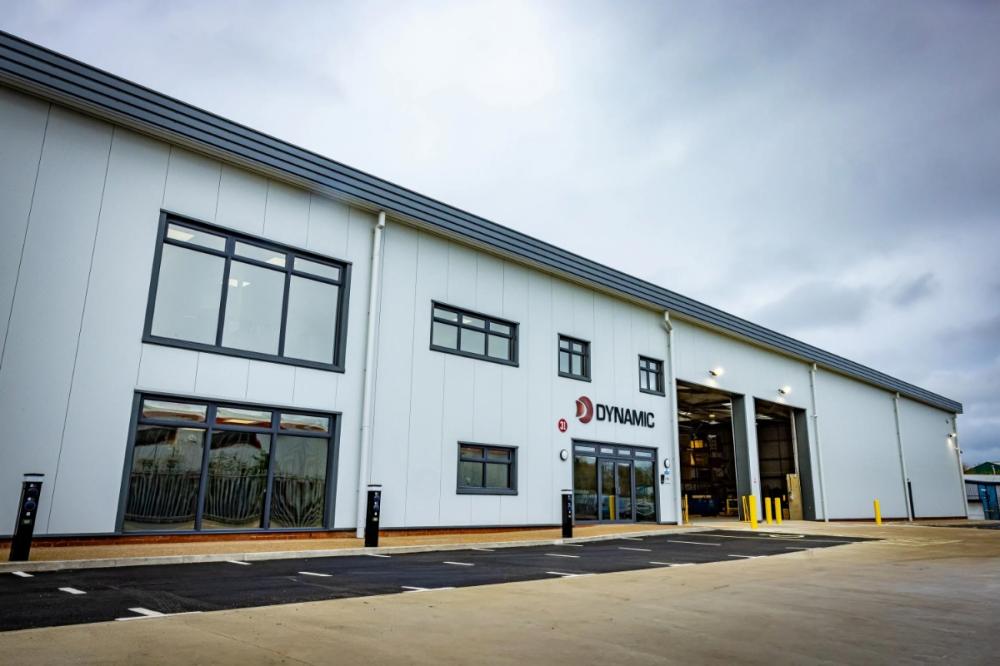
Dynamic Metals
The company effectively acts as an outsourced inventory store for critical sectors, buying in large volumes from globally certified mills, processing the metal to size, and holding it so clients do not have to carry excessive stock. This raw material feeds international original equipment manufacturers (OEMs) such as Airbus, Safran, Rolls-Royce, and Moog.

Alex Baily, Dynamic Metals
“The firms we supply need our material in smaller quantities than you would get at a mill and they don’t want to keep unnecessary stock on site. That’s where we come in - we buy in larger volumes, cut and process to the size the client wants and store it so it can be pulled in as it is needed. We have two-year agreements with many customers on this basis and all of them are fixed prices. The orders are committed with the mills to ensure supply and these cannot be cancelled.
“What this gives us is a unique insight into how some of the UK’s most critical sectors use speciality steel. And I’m confident in predicting that the readjusted quotas for codes 14 and 27 are about two thirds shy of what the downstream supply chain actually uses. That is a massive gap and there’s very little chance of us and other users passing the cost on. We also don’t have cashflow in place to find £3.3m out of thin air, simply because ministers don’t understand how the steel sector works.”
The logic of penalising imports when domestic mills lack the capacity to fulfil specialist requirements has been heavily criticised by regional producers. In South Yorkshire, local procurement options remain limited while key regional assets undergo restructuring.
Footprint, one of the UK's oldest hand tool manufacturers
"To impose steel tariffs whilst two of the UK’s mills are currently closed feels like a backward step. We must stop pretending we’re the EU or the US with a large number of steel mills, who can make a wide variety of the hundreds, possibly thousands, of grades of steel in hundreds of different shapes, sizes and specifications. We can count the number of mills in the UK on one hand, and they make a fraction of the steel grades used by downstream users here."
Mr Jewitt noted that the regional strategy relies heavily on the Speciality Steels facility in Stocksbridge—currently in compulsory liquidation with the government seeking a buyer—resuming full operations by the third quarter of this year, though industry insiders suggest full production may not return until 2027.
"We use a grade of steel that is currently not made in the UK, so we buy it in from a great mill in Italy," Mr Jewitt explained. "When our current supply of steel is exhausted, we then enter the arena of quotas and tariffs, trying to figure out when to order our steel to get it delivered within the quarterly quota. As a small business, up against bigger importers of steel with full-time purchasing teams, we don't really stand a chance!"
The Confederation of British Metalforming (CBM), which represents companies employing more than 75,000 people across the metalworking, forging, and sheet metal sectors, welcomed the slight quota adjustments but labelled the policy a "stay of execution" without a safety valve.
Steve Morley, CBM President, stated that several quotas fail to reflect the actual volumes required by suppliers to the aerospace, automotive, defence, and energy sectors. The CBM is urging the Department for Business and Trade to implement a "backstop" mechanism to grant immediate tariff exemptions if domestic mills fail to deliver the grades or volumes promised.
“Ministers say they’re going to review things in twelve months, but I can tell you now the damage will already be done if they leave it that long,” Mr Morley said.
“We are urging them to monitor the impact of these changes on a monthly, if not weekly basis and we are going to continue to lobby for that all-important ‘backstop’.”
With global steel overcapacity forecast by the OECD to exceed 720 million tonnes by 2027, trade barriers are rising globally. However, northern manufacturers argue that without matching protections for downstream businesses, the UK risks hollowed-out supply chains and a permanent loss of industrial competitiveness.