


search
date/time

Sat, 10:00AM
light rain
8.1°C
S 15mph
light rain
8.1°C
S 15mph
 | Sunrise | 6:55AM |
| Sunset | 4:54PM |  |
P.ublished 24th October 2026
lifestyle
The Clocks Go Back This Weekend: Here’s How It Can Impact Your Skin
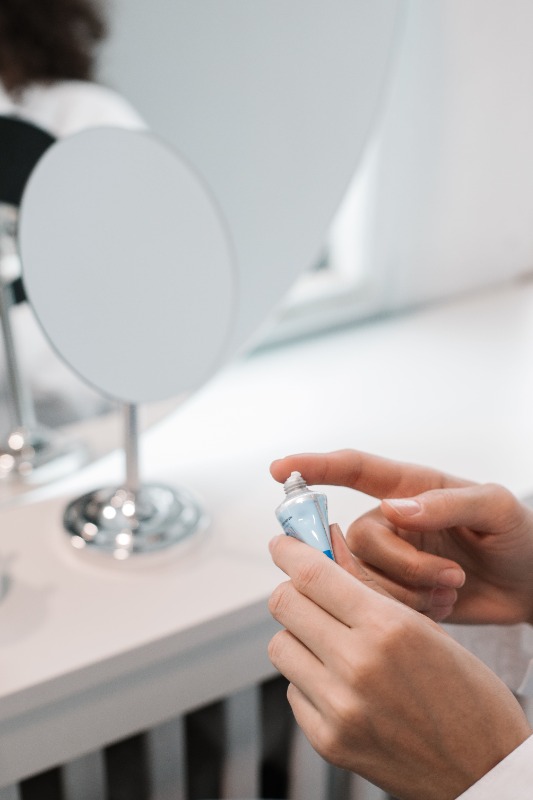
Image Pavel Danilyuk on Pexels
The clocks go back at 2am on Sunday 25 October, giving people across the UK an extra hour as British Summer Time comes to an end.
For anyone reviewing their skincare routine as the evenings draw in, there are some familiar habits worth reconsidering. Heated indoor air, long hot showers and over-exfoliation can all contribute to dry, uncomfortable skin during the colder months.
Danielle Louise, a beauty expert on the Fresha app, the AI-powered booking platform for beauty and wellness, explains:
“The end of British Summer Time is a useful reminder to check how your skin is feeling. If your usual routine is leaving it tight, rough or uncomfortable, think about what else has changed, including hotter showers and spending time in heated rooms.
You don’t need to replace everything in your bathroom. Small changes to how you wash and moisturise can be a sensible starting point.”
What does the clock change actually mean for your skin?
Sleep is relevant to skin health, but the evidence needs context. A study of 60 women found an association between chronic poor sleep quality and poorer skin barrier function. It examined habitual sleep quality, so its findings cannot establish that a single clock change causes skin ageing or damage.
Danielle says: “An extra hour on the clock isn’t a promise that you’ll wake up with better skin. Use the weekend as an opportunity to keep your evening routine manageable and give yourself time to wind down.
If your skin feels different at this time of year, pay attention to the symptoms rather than assuming the clock change is responsible.”
Keep the bath warm and the soak shorter
A long, hot bath may feel inviting on a dark evening, but it can worsen dryness. The American Academy of Dermatology recommends warm water and limiting baths and showers to around five to ten minutes for dry skin.
Danielle explains: “If your skin feels tight after a bath or shower, look at the temperature and how long you’re spending in the water. Try a shorter, comfortably warm wash, then gently pat your skin with a towel.”
Moisturise after washing, even if bedtime is hours away
Applying moisturiser while skin is still damp helps trap existing moisture. That makes the period immediately after washing a useful opportunity, whether you shower after work or just before bed.
Danielle says: “If you shower early in the evening, apply your body moisturiser then. You don’t need to save that step for bedtime.
Keeping it somewhere convenient can help you remember. The same principle applies after cleansing your face: follow with a moisturiser suited to your skin.”
Resist the urge to scrub away every dry patch
Flaking can make exfoliation seem like the obvious answer, but scrubbing already dry skin can make matters worse. Dermatologists advise prioritising moisturising when winter skin becomes dry and peeling.
Danielle explains: “When you notice rough patches, it can be tempting to reach for a stronger scrub or use your exfoliating toner more often. That can leave dry skin feeling even more uncomfortable.
Keep the routine gentle and give your skin a chance to settle. Before a facial, tell your beauty professional about any sensitivity and the products you’re using at home.”
Check the room as well as the skincare shelf
Indoor heating can contribute to dry conditions, which may leave skin feeling dry or irritated. Seasonal changes can therefore affect how comfortable a familiar routine feels.
Danielle adds: “If your skin starts feeling tight during evenings at home, consider the room as well as your products. You may need to adjust your moisturiser to suit how your skin feels, rather than adding several new treatments at once.”
Which treatments should you prioritise during the colder months?
Start with a gentle, hydrating facial if dryness is your main concern, facials can be adapted to individual skin needs. For seasonal dryness, a treatment focused on gentle cleansing and moisturising is an option to discuss with a beauty professional. Ingredients such as glycerin, hyaluronic acid and ceramides can help with hydration and moisture retention.
Danielle says: “If your main concern is tightness or dry patches, I would prioritise a gentle, hydrating facial when choosing a salon treatment. Ask what it actually includes, because a facial described as hydrating may still involve exfoliation.
Explain if your skin is stinging or unusually sensitive, and ask whether the treatment can be adapted. A moisturising mask and a gentle routine may be more appropriate than several intensive steps in one appointment.”
Give dry hands some attention at your next manicure
Hands can be particularly vulnerable to dryness from cold weather and repeated washing. Regular moisturising remains central to looking after them.
Danielle explains: “At your next manicure, ask about a moisturising hand treatment if the skin feels dry. That might involve a rich cream or a hydrating mask, with the products chosen around any sensitivities.
Keep up the hand cream between appointments, especially after washing. If the skin is cracked, inflamed or sore, get advice before booking a cosmetic treatment over it.”
Consider red LED for a specific concern, with realistic expectations
Red LED light therapy may help improve the appearance of fine lines and skin texture for some people, although results vary and usually require repeated treatments. It is an optional treatment for particular concerns, with no established special advantage simply because the evenings are darker.
Danielle says: “If you’re interested in LED, ask which concern the treatment is intended to address, how many sessions may be needed and what results are realistic.
Tell the practitioner about medication, light sensitivity and existing skin conditions before treatment. It should be chosen because it suits your skin and your goals.”
Plan peels around your skin’s condition and recovery time
Chemical peels can address concerns including uneven pigmentation and texture, but suitability, treatment depth and aftercare matter. Sun protection remains essential, including during autumn and winter.
Danielle adds: “If you’re considering a peel, start with a consultation with a suitably qualified practitioner experienced in your skin tone and concern. Make sure they know about any dryness, sensitivity and the products you already use.
Ask about recovery time before booking around Christmas parties or other events. Darker evenings don’t remove the need for aftercare or sun protection.”
The shortened address for this article is: newspub.uk/121e5