



search
date/time

Sun, 1:00AM
clear sky
5.7°C
NE 4mph
clear sky
5.7°C
NE 4mph
 | Sunrise | 6:42AM |
| Sunset | 5:10PM |  |

Allison Lee
Smallholding Correspondent
P.ublished 17th October 2026
lifestyle
Brown Eggs Or White - Which Is Better?
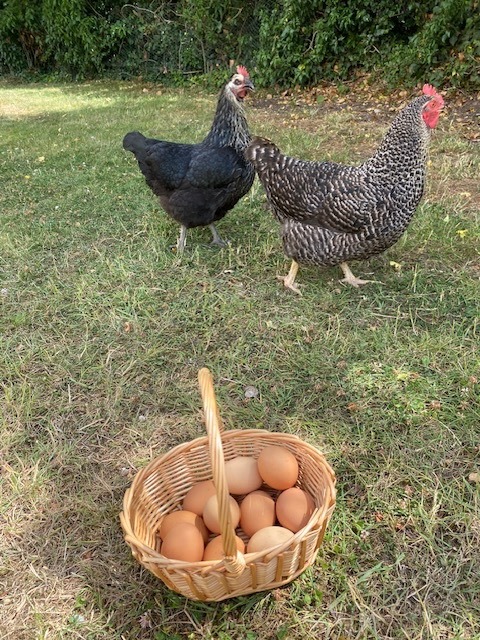
It is worth remembering that it is the pigments produced by the hens that actually determine the colour of the shell. In brown egg shells, the core pigment is called protoporphyrin, which is made from heme, the compound that gives blood its red colour. Blue egg shells have a pigment called biliverdin, which is also made from heme, and this is the same pigment that can give bruises a blue-green colour. Egg shells can also vary in colour among the same breed of hens due to genetic dominance among individual birds. So, the eggshell itself does not determine anything about the egg. It is simply the packaging.
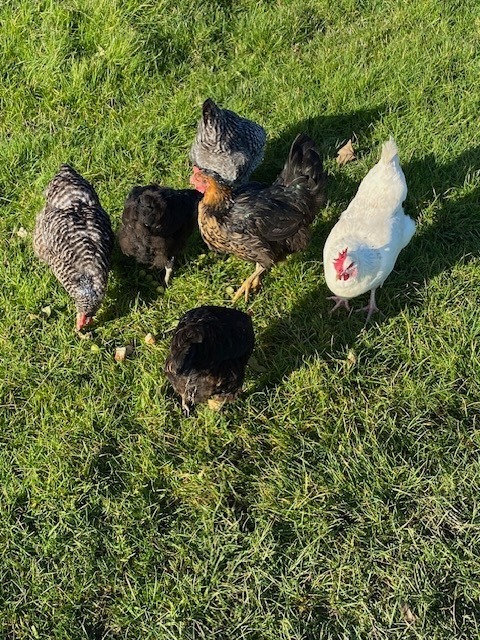
Taste – the egg’s flavour and quality come from the hen, not the colour of the shell. Much depends on how the hen is raised and fed, and, of course, the difference in colour between an egg laid by a free-roaming chicken on the smallholding and one bought from the supermarket is plain to see. I can certainly vouch for the taste of the eggs from my own chickens compared with the ones I occasionally buy from the supermarket. Even when baking and cooking, the colour and taste of the eggs from my free-range hens are far superior.
Nutrition – Both white and brown eggs contain the same amount of protein, vitamins and minerals. On average, a large egg contains approximately 70 calories and 6 grams of protein, regardless of whether it is brown or white.
Price – Often you will find that brown eggs are more expensive than white eggs. However, this is generally because the chickens that lay them are larger breeds and therefore cost more to feed and raise.
Consumers often stick to what they know, and if you usually buy brown eggs, it is doubtful that anything I write in this article will persuade you to start buying white eggs. However, it is worth considering, next time you are in the supermarket, which eggs have been produced by chickens that have been cared for in an organic or free-range system, which is by far the best method for the chicken, rather than what colour egg they lay.
Also by Allison Lee...
Feeding The BirdsPlanning AheadHeading Into AutumnThe Importance Of Community Hubs In Rural AreasHow Donkeys CommunicateThe shortened address for this article is: newspub.uk/1218g